
You usually don’t think much about cushions until something starts feeling wrong. At first, everything seems fine. They look good, they feel soft when you press them, and that’s enough to decide. But after using them for a few days, sometimes even just sitting regularly, small things start showing up. They might feel flatter than before, or stay slightly damp after being outside, or just not as comfortable as they felt initially.
That’s when you realize choosing outdoor seat cushions isn’t as simple as it looked. It’s not about how they feel for a few seconds. It’s about how they behave when you actually start using them daily, without thinking too much about it.
Think About Where They’ll Actually Sit
Before anything else, it helps to think about where these cushions are going. Not in a detailed way, just basic awareness. A balcony, garden, or open patio all behave differently.
Some places get strong sunlight most of the day. Some stay shaded but slightly damp. If cushions are used often, they wear differently compared to something used occasionally. This part seems obvious, but people usually skip it and go straight to design or color.
That’s usually where wrong choices begin.
Fabric Matters, But Not the Way You Expect
When you touch a cushion for the first time, fabric is the first thing you notice. It feels smooth, maybe slightly thick, and that feels enough. But that’s only the first impression.
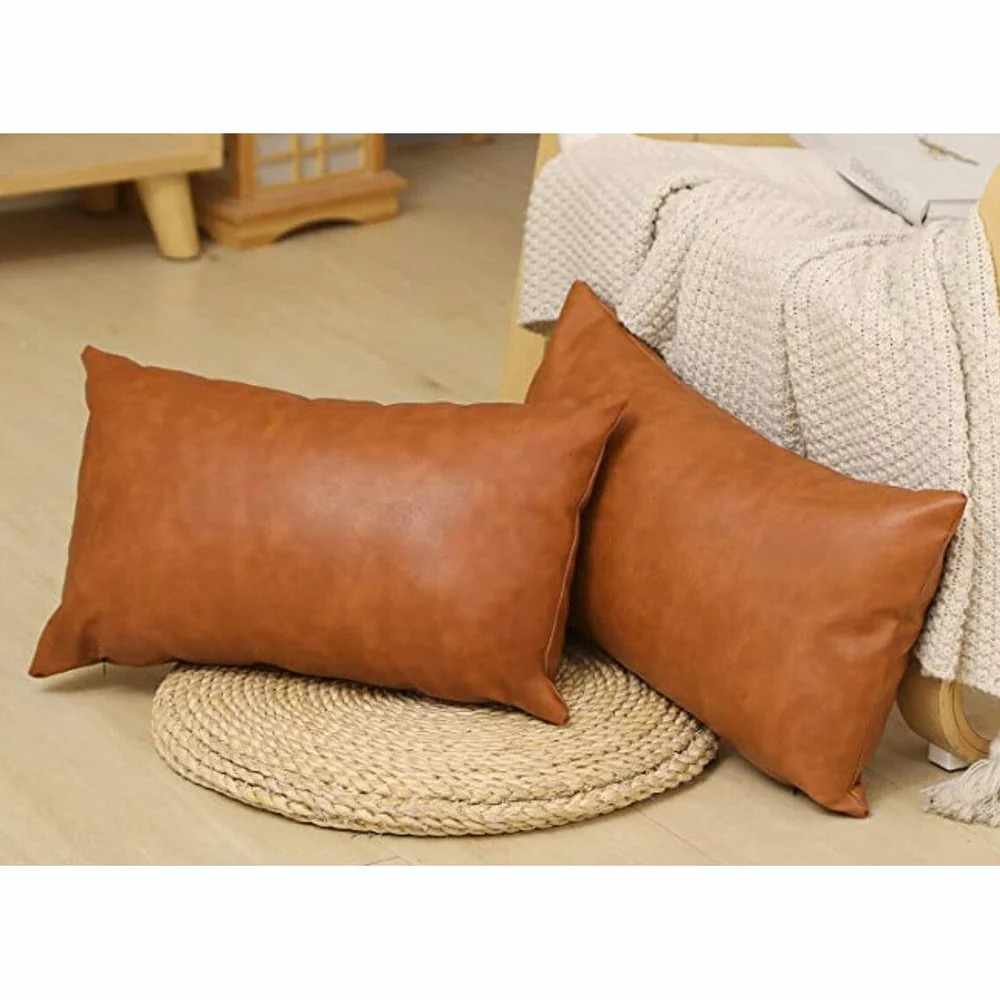
Outdoor use is different. Sunlight, dust, and a bit of moisture slowly change how the fabric behaves. Good Cushions For Outdoor Furniture don’t just feel okay once, they continue to feel usable even after exposure. If the material holds water or heats up too much, you notice it quickly when you sit down.
So it’s less about “how soft it feels now” and more about “how it will feel later.”
Comfort Is Not About Pressing It Once
A lot of people test cushions by pressing them with their hand. It gives some idea, but not the full picture. Real comfort shows when you sit for a while.
If the filling inside is too soft, it flattens quickly. If it’s too firm, it doesn’t feel relaxing. The better ones usually feel balanced and slowly return to shape after you get up. You don’t think about it actively, but you notice the difference after a few uses.
Size and Fit Start Mattering After Use
When you first place a cushion, size doesn’t feel like a big deal. But after some time, it starts becoming noticeable.
If it’s smaller than the seat, it shifts slightly. If it’s bigger, it doesn’t sit evenly. You might keep adjusting it without realizing it. That small inconvenience keeps repeating.
Measuring once before buying usually saves all that trouble later.
Thickness Can Be Misleading
Thicker cushions feel more comfortable at first. That’s why many people prefer them immediately. But after some time, if the inner material isn’t strong enough, they flatten faster than expected.
At the same time, very thin cushions don’t give enough support from the beginning. So it’s not about choosing the thickest one. It’s about choosing one that holds its shape over time.
That difference only shows up after use.
Weather Resistance Is More About Practical Use
You don’t need cushions that handle extreme conditions perfectly. But they should at least deal with basic outdoor exposure.
A little sunlight, some dust, maybe light rain—these things happen. If cushions stay damp for too long or heat up too quickly, they become uncomfortable. Materials that dry faster or don’t trap heat usually feel better in everyday use.
It’s not something you think about while buying, but you definitely notice it later.
Maintenance Shouldn’t Feel Like Extra Work
Nobody wants to spend time maintaining cushions regularly. If cleaning feels complicated, it usually gets ignored.
Simple things help more than expected. Removable covers, or fabrics that don’t hold dirt easily, make life easier. When maintenance feels simple, cushions naturally last longer because they’re taken care of without effort.
Small Details You Only Notice Later
Some features don’t seem important at first, but they make daily use smoother.
ties that keep cushions from sliding off
slightly textured backing that prevents movement
These are small things, but once you get used to them, you don’t want to go back.
FAQs
1. How can I tell if cushions are durable before buying?
You can’t be 100% sure, but fabric feel, stitching, and filling quality give a good idea. Better finishing usually lasts longer.
2. Are thick cushions always better?
Not really. Thickness feels good initially, but durability depends on the material inside.
3. Should outdoor cushions be left outside?
Some can, but if you store or cover them when not in use they will last longer.
4. What type of fabric is best for outdoors?
Water-resistant and fade-resistant materials are best.
5. Should I use special cushions for outdoor use?
Yes, because indoor cushions are not designed to handle outdoor conditions like sunlight and moisture.
Final Thought
Choosing outdoor seat cushions is not about how they look when you first see them. It’s about how they feel after you’ve used them enough to stop paying attention to them.
Good cushions for outdoor furniture don’t need constant adjustment, don’t lose comfort quickly, and don’t make you think twice after sitting. When that happens, you know you made the right choice without overthinking it.



Write a comment ...